- professional-nursing-adult-nursing-bsc-b74a
- anthropology-sociology-ba
- chemistry-study-abroad-mchem-f106
- irish-history-ba-qv51
- professional-nursing-children-young-people-bsc-b73a
- dentistry-bds-a200
- midwifery-bsc-b720
- professional-nursing-learning-disabilities-nursing-bsc-b761
- professional-nursing-mental-health-nursing-bsc-b760
- professional-nursing-children-young-people-bsc-b730
- professional-nursing-adult-nursing-bsc-b740
- medicine-mb-a100
- computer-science-meng-g402
- business-information-technology-incl-professional-experience-bsc-gn51
- software-engineering-placement-meng-g605
- computer-science-incl-professional-experience-meng-g405
- software-engineering-meng-g602
- data-science-year-professional-experience-bsc-g420
- software-engineering-placement-beng-g604
- modern-languages-business-ba
- social-work-relevant-degree-entry-bsw-l501
- social-work-bsw-l500
- criminology-sociology-ba-ml93
- psychology-bsc-c800
- spanish-ba-r410
- spanish-portuguese-ba-rr45
- criminology-ba-m900
- social-policy-sociology-ba-ll43
- sociology-ba-l300
- criminology-social-policy-ba-ml94
- pharmaceutical-biotechnology-sandwich-bsc-b213
- pharmaceutical-sciences-sandwich-bsc-b211
- pharmaceutical-biotechnology-bsc-b212
- pharmacy-mpharm-b230
- politics-sociology-ba-ll23
- politics-philosophy-economics-ba-lv00
- politics-spanish-ba-lr24
- politics-ba-l200
- pharmaceutical-sciences-bsc-b210
- accounting-major-french-bsc-n4r1
- accounting-major-spanish-bsc-n4r4
- actuarial-science-risk-management-bsc-n323
- advanced-accounting-placement-macc-n400
- aerospace-engineering-beng-h400
- aerospace-engineering-meng-h402
- aerospace-engineering-sandwich-beng-h404
- aerospace-engineering-sandwich-meng-h405
- agricultural-sciences-bsc-d700
- agricultural-sciences-bsc-d704
- anthropology-archaeology-ba-lv64
- anthropology-ba-l600
- anthropology-english-ba-ql36
- anthropology-french-ba-rl16
- anthropology-history-ba-vl16
- anthropology-international-relations-ba-ll6f
- anthropology-irish-ba-ql56
- anthropology-philosophy-ba-lv65
- anthropology-politics-ba-ll62
- anthropology-spanish-ba-lr64
- applied-mathematics-physics-bsc-gf13
- applied-mathematics-physics-msci-gfc3
- archaeology-ba-v402
- archaeology-french-ba-v4r1
- archaeology-history-ba-vv41
- archaeology-irish-ba-vq45
- archaeology-portuguese-ba-v4r5
- archaeology-spanish-ba-v4r4
- archaeologypalaeoecology-bsc-v400
- archaeologypalaeoecology-geography-bsc-vf48
- architecture-bsc-k100
- audio-engineering-bsc-j930
- biochemistry-bsc-c700
- biochemistry-bsc-c704
- biochemistry-msci-c702
- biochemistry-msci-c705
- biological-sciences-bsc-c100
- biological-sciences-bsc-c104
- biological-sciences-msci-c102
- biological-sciences-msci-c105
- biomedical-science-bsc-b940
- business-economics-bsc-l110
- business-management-placement-bsc-n202
- chemical-engineering-beng-h800
- chemical-engineering-meng-h802
- chemical-engineering-year-industry-meng-h805
- chemistry-bsc-f100
- chemistry-mchem-f105
- chemistry-year-industry-bsc-f104
- chemistry-year-industry-mchem-f107
- civil-engineering-beng-h200
- civil-engineering-meng-h202
- civil-engineering-year-industry-beng-h204
- civil-engineering-year-industry-meng-h205
- computer-engineering-beng-gh6p
- computer-engineering-meng-gh6q
- computer-engineering-year-industry-beng-gh67
- computer-engineering-year-industry-meng-gh68
- computer-science-professional-experience-bsc-g400
- computing-information-technology-incl-professional-experience-bsc-gg45
- drama-ba-w400
- drama-english-ba-wq43
- economics-accounting-bsc-ln14
- economics-bsc-l100
- economics-major-finance-bsc-l1n3
- economics-major-french-bsc-l1r1
- economics-major-spanish-bsc-l1r4
- education-studies-ba-x200
- education-studies-social-policy-ba-xl24
- education-studies-sociology-ba-xl23
- electrical-electronic-engineering-beng-h600
- electrical-electronic-engineering-meng-h602
- electrical-electronic-engineering-sandwich-beng-h604
- electrical-electronic-engineering-sandwich-meng-h605
- english-ba-q300
- english-creative-writing-ba-q3w8
- english-film-studies-ba-qw36
- english-french-ba-qr31
- english-history-ba-qv31
- english-irish-ba-qq53
- english-linguistics-ba-qq31
- english-philosophy-ba-qv35
- english-politics-ba-ql32
- english-sociology-ba-ql33
- english-spanish-ba-qr34
- environmental-civil-engineering-meng-h252
- environmental-civil-engineering-year-industry-meng-h255
- environmental-management-bsc-f850
- environmental-management-bsc-f854
- european-planning-mplan-k490
- film-studies-production-ba-w600
- film-theatre-making-ba-ww65
- finance-year-industry-bsc-n300
- financial-risk-management-year-industry-bsc-n390
- food-science-nutrition-bsc-bdk6
- food-science-nutrition-bsc-db6k
- food-science-nutrition-msci-bd46
- food-science-nutrition-msci-db64
- french-ba-r120
- french-history-ba-rv11
- french-international-relations-ba-rlc2
- french-irish-ba-qr51
- french-politics-ba-rl12
- french-portuguese-ba-rr15
- french-spanish-ba-rr14
- games-technologies-bsc-g455
- geography-ba-l800
- geography-bsc-f800
- geography-language-bsc-f8rx
- history-ba-v140
- history-international-relations-ba-lv21
- history-philosophy-ba-vv1m
- history-politics-ba-vl12
- history-sociology-ba-vl13
- history-spanish-ba-rv41
- human-biology-bsc-b100
- international-business-major-french-bsc-n1r1
- international-business-major-german-bsc-n2r2
- international-business-major-mandarin-bsc-n1r9
- international-business-major-portuguese-bsc-n2r5
- international-business-major-spanish-bsc-n1r4
- international-relations-conflict-studies-ba-l253
- international-relations-irish-ba-lqf5
- international-relations-politics-ba-l290
- international-relations-spanish-ba-lrf4
- irish-ba-q504
- irish-broadcast-production-ba-qp53
- irish-politics-ba-ql52
- irish-portuguese-ba-qr55
- irish-spanish-ba-qr54
- law-llb-m100
- law-major-french-llb-m2r1
- law-major-irish-llb-m2q5
- law-major-politics-llb-m1l2
- law-major-spanish-llb-m2r4
- law-senior-status-llb-m101
- liberal-arts-blibarts-y301
- liberal-arts-mlibarts-y300
- marine-biology-bsc-c160
- marine-biology-bsc-c164
- marine-biology-msci-c162
- marine-biology-msci-c165
- mathematics-bsc-g100
- mathematics-computer-science-bsc-gg41
- mathematics-computer-science-msci-ggk1
- mathematics-finance-bsc-g1n3
- mathematics-french-bsc-g1r1
- mathematics-mmath-g103
- mathematics-spanish-bsc-g1r4
- mathematics-statistics-op-research-bsc-gg13
- mathematics-statistics-op-research-mmath-ggc3
- mechanical-engineering-beng-h300
- mechanical-engineering-meng-h303
- mechanical-engineering-sandwich-beng-h304
- mechanical-engineering-sandwich-meng-h305
- media-broadcast-production-ba-p310
- medicinal-chemistry-bsc-f150
- medicinal-chemistry-mchem-f15a
- medicinal-chemistry-year-industry-bsc-f154
- medicinal-chemistry-year-industry-mchem-f15c
- microbiology-bsc-c500
- microbiology-bsc-c504
- microbiology-msci-c502
- microbiology-msci-c505
- music-audio-production-ba-w374
- music-bmus-w302
- music-performance-ba-w310
- music-sound-design-ba-w371
- philosophy-ba-v500
- philosophy-politics-ba-vlm2
- physics-astrophysics-bsc-f3f5
- physics-astrophysics-mphys-f3fm
- physics-bsc-f300
- physics-french-bsc-f3r1
- physics-french-mphys-f3rc
- physics-medical-applications-bsc-f3b9
- physics-medical-applications-mphys-f3bx
- physics-mphys-f303
- physics-spanish-bsc-f3r4
- physics-spanish-mphys-f3rq
- planning-environment-development-bsc-k430
- structural-engineering-architecture-meng-h2k1
- structural-engineering-architecture-year-industry-meng-h2kc
- theoretical-physics-bsc-f340
- theoretical-physics-mphys-f344
- veterinary-biosciences-bsc-d300
- veterinary-biosciences-bsc-d304
- veterinary-biosciences-msci-d302
- veterinary-biosciences-msci-d305
- zoology-bsc-c300
- zoology-bsc-c301
- zoology-msci-c302
- zoology-msci-c305
BSc | Postgraduate Taught
Architecture

Professionally accredited by RIBA, ARB and LAM
Queen's University, as part of the Russell Group, is one of the best places to study Architecture in the UK. Supported by a diverse group of academic staff and external tutors engaged in international, award-winning research and practice, over 80 per cent of our students regularly graduate with a 1st Class or 2.1 degree. All students, many of whom come from outside Northern Ireland, receive a high degree of personal tuition in a strong studio culture in which every student has dedicated personal studio space.
Our established reputation generated over 50 years means that our graduates are often placed with leading employers from around the world. They are those who will be leaders in their fields, creatively rethinking the past, present and particularly the future of the built environment.
ART PORTFOLIO:
Candidates who do not have an acceptable Art qualification may be invited for a portfolio interview. Guidance for applicants preparing an art portfolio can be found at http://go.qub.ac.uk/k100portfolio
ACADEMIC LITERACY FOR BSC ARCHITECTURE
An optional, complementary module for non-native speakers of English. Designed to support English language and academic skills development with a focus on specific academic skills related to the students' area of study.
Course highlights
Global Opportunities
Erasmus student exchange
IAESTE work placement
www.erasmusprogramme.com
www.iaeste.org
Professional Accreditations
This is a Russell Group University Architecture Part 1 degree that is accredited by the Royal Institute of British Architects (RIBA) and Architects Registration Board (ARB) in the UK as well as the Board of Architects Malaysia (LAM).
www.architecture.com
www.arb.org.uk
www.lam.gov.my
Industry Links
Queen's Architecture has strong links with a wide range of industry partners through teaching and research at local and global level. Students are tutored by practicing architects as well as experienced scholars. They are equipped with professional skills that prepare them both for practice and the application process.
Career Development
BSc Architecture has strong links with RIBA, ARB, RSUA (Royal Society of Ulster Architects) and RIAI (Royal Institute of the Architects of Ireland). Practicing architects join studio tutors on a weekly basis. We also have our graduates working in international practices in the UK and beyond. Through these collaborations, our students are well placed in terms of career development.
Student Experience
The programme attracts local, national and international students; friendships and architectural collaborations last well beyond the duration of the course. In Queen's, architecture studio culture and peer learning are established early on. Each year group has their own studio space and each student gets a desk. Students enjoy living in Northern Ireland with easy access to Britain, Europe and America. They find Belfast affordable and safe, and they engage in outdoor activities.
Further Study Opportunities
BSc Architecture is the first step of a three partite education, and we offer a variety of postgraduate courses. After the practical experience year out, our graduates can apply for the Master of Architecture (MArch) and then continue their education via Architecture Part 3. We also have PhD opportunities.
- Start Date
- September 2027
- Duration
- 3 years (Full-time)
- Places Available
- TBC (Full Time)
Course Structure
0
Introduction
'Creativity with Purpose' is the basis of Architecture at Queen's.
Students explore design in a studio environment, contextualised by courses in history/theory, technology/environment and professional practice. The course is modular in structure, allowing students to learn and develop their skills through an extensive range of topics, which grow in complexity throughout Stages 1, 2 and 3 of the degree. Topics include:
History and Theory of Architecture
Students are introduced to the historical and theoretical backgrounds to Architecture by exploring key buildings and spaces, as well as significant principles, texts and thinkers. Architectural and cultural theory, produced by both architects and theorists, are introduced and explored. Students are also provided with a platform for the development of skills, including research methods, essay writing and critical thinking.
Architectural Design and Communication
Students learn about architectural design and representation through design-based projects, which vary in scale and complexity as the course progresses. The urban physical context and the critical thinking processes in relation to the built environment and design are explored. Students also learn about structures and materiality and the importance of architectural communication, using mixed graphic media. Research of architectural precedents and presentation of analytical studies both verbally and in the form of models and drawings are key features.
Technology and Environment
Students learn the principles of building technology, including structural behaviour, building construction and materials, within the context of the building process, sustainability, and the use of descriptive and performance specifications. The topic also deals with the environmental performance of buildings and the use of passive design strategies where natural light, heat and ventilation are used to inform the design of buildings, their forms and structure.
Students have four modules they need to pass each year, and the degree result is cumulative, with 10, 30 and 60 per cent for Stages 1, 2 and 3, respectively.
Architecture sits in the School of Natural and Built environment, with Planning, Geography, Archaeology and Civil Engineering. This gives Architecture students the chance to collaborate with the students of these disciplines on design or technology projects.
Stage 1
Stage 1 focuses on our belief that our students benefit from a smooth transition into university, and thus we strongly support students in learning to draw architecturally, make models and to begin the process of forming and communicating positions on Architecture.
Stage 1 modules are outlined below:
Technology and Environment 1
History and Theory of Architecture 1
Architectural Design and Communication 1(i)
Architectural Design and Communication 1(ii)
Stage 2
Stage 2 acts as a laboratory for testing creative and critical ideas and the process of creating. We continue to support students' increasing levels of confidence and independence through developing more complex architectural skills and understanding of technology.
Stage 2 modules are outlined below:
Technology and Environment 2
History and Theory of Architecture 2
Architectural Design and Communication 2(i)
Architectural Design and Communication 2(ii)
Stage 3
Students in this Stage are both speculative thinkers and accomplished designers, able to deliver detailed, resolved proposals. They operate independently, drawing on previous learning and personal interests. In this final year, they consider the many possible career paths presented to them over the course of their studies.
Stage 3 modules are outlined below:
Technology and Environment 3
History and Theory of Architecture 3
Architectural Design and Communication 3(i)
Architectural Design and Communication 3(ii)
-
People Teaching You
Programme Co-Director for BSc Architecture
Natural and Built Environment
Programme Director for BSc Architecture
Dr Jasna Mariotti is Senior Lecturer in Architecture. Her teaching is built on place-making, and at Queen’s University Belfast she teaches Technology an Environment 1, Humanities dissertations and Architectural Design and Communication modules. Her research focuses on the relationship between urban history, planning and architecture in 20th and 21st centuries related to mechanisms of production of space and the architecture of mass housing.Natural and Built Environment
Laurence is an Architect, Curator and Senior Lecturer in Architecture. He teaches architectural design studio and professional skills. Laurence is also the founding partner of AP+E. AP+E is a design and research office based in Ireland and The Netherlands, driven by a strong interest in the social and cultural value of architecture. -
Contact Teaching Hours
Medium Group Teaching
8 (hours maximum)
Typically 8 hours of practical classes, workshops or tutorials including pin-up sessionsSmall Group Teaching/Personal Tutorial
1 (hours maximum)
Typically 30 mins of desk tutorials and project tutoringPersonal Study
20 (hours maximum)
Typically 20 hours studying and revising in your own time and/or with your group, including some guided study using design briefs, coursework hand-outs, etc.Large Group Teaching
4 (hours maximum)
Typically 4 hours of lectures/ workshops. -
Learning and Teaching
The BSc Architecture Programme adopts a year structure with each year (or ‘stage’) adopting both architectural and teaching/learning aims. Architecture is understood as an intellectual discipline, it also relies heavily on a range of skills, the most obvious of which are drawing, model-making, written and verbal communication skills and design. Around these core representational skills sit other skills such as time-management and critical reflection.
This programme attracts academically able students, but typically their intellectual capabilities exceed their skills. To support student learning, staff invest in first and second year skill-based teaching to increase students' capabilities in such areas as technical drawing, model making and writing, whilst at the same time reinforcing the students’ own responsibility to progress their skills through self-directed learning.Additional Information
We emphasise to students that much of their learning and skill development occurs away from the formalised areas of the course. We encourage students to learn outside formal teaching environments, including external lectures and exhibitions and service projects as well as international study visits that take place every year.
We have numerous academic awards and prizes, many of which are funded through trusts and industry sponsors. The support and guidance we give students often contributes to them receiving other external scholarships, grants and awards. Nearly all of our students are members of the student society - ArcSoc, which is very active arranging social events and an evening guest lecture programme. Our students are regularly placed in national and international competitions and award programmes.Stage 1
Stage 1 focuses on bringing students into university level education, marrying the development of skills to self-reflection. Students in Stage One begin to understand the importance and responsibility of practising skills: graphic, design, written, verbal, thinking, self-evaluation, group working. In addition to this transition and acquisition of skills, Stage 1 focuses on the architectural issue of context in all its complexity and how it impacts on programme, materiality and form.
Stage 2
Stage 2 focuses on the development, by each student, of personal, holistic, and viable design skills. Students are encouraged to develop maturity in analysing design problems and in broadening their understanding of the relationship between architecture, technology, construction, theory, history and the wider social context. First semester learning is supported with field trip. In semester 2, joint vertical studios bring Stage 2 and 3 students together to work in thematic studios where each studio investigates set design brief and site.
Stage 3
Stage 3 is recognised both as an end point to undergraduate studies and as the beginning of a student’s future development. Stage 3 asks students to deliver completed, resolved proposals, drawing on all of their learning throughout the course. Students are encouraged to advance their own personal areas of enquiry in preparation for professional life and further learning. The focus of Stage 3 is on more complex contexts and agendas for architecture in the city. First semester learning is supported with field trip. Semester 2 is joint with Stage 2 in the vertical studies. The themes of these studios range from landscape to social context, and from tradition to visual arts.
-
Assessment
Assessment occurs through 100% coursework in Architecture. There are no examinations.
- Specific methods of assessment are chosen to suit the learning outcomes of each module, and the nature and balance of the assessment is outlined in the module guide.
In studio-based modules, the assignments are mainly architectural design projects, and the marks allocated to the projects are roughly proportional to the time allocated to each project, although individual work is normally weighted more heavily overall than group work. The projects are compiled in a design portfolio by the end of the semester.
Lecture-based modules span the entire year and are also assessed through coursework. In History and Theory of Architecture, the main assignment is essay writing. There are also smaller components such as reading discussions, seminar presentations, and theory-based design assignments. The work is compiled in a writing portfolio by the end of the year. In Technology and Environment, assignments require research, analysis and/or design and they are related to students' design projects in studio. Precedent studies are also common.
Feedback, both verbal and written, is a main part of learning and assessment in Architecture. Students get feedback related to their coursework throughout the year in the form of tutorials, reviews and feedback sheets. Peer-review is also encouraged.
- Specific methods of assessment are chosen to suit the learning outcomes of each module, and the nature and balance of the assessment is outlined in the module guide.
-
Facilities
Our design studios and review/exhibition spaces are located in Chlorine Gardens and David Keir Building on Queen’s campus in South Belfast. The architectural workshop for laser cutting, model making and 3D printing is also in DKB. For lectures and seminars we use all kinds of lecture theatres and classrooms at Queen’s.
Modules
The information provided in this Course Finder reflects the module details for the current year of study (2025/26). Please note that modules are subject to annual review and changes may occur in response to various factors, including student feedback and academic developments. Prospective students will be notified of any significant changes to module offerings before the start of the new academic year.
Entrance requirements
A level requirements
AAB + GCSE Mathematics grade C/4.
A maximum of one BTEC/OCR Single Award or AQA Extended Certificate will be accepted as part of an applicant's portfolio of qualifications with a Distinction* being equated to a grade A at A-level.
Applicants with a grade C/4 in GCSE Art or no Art at GCSE/A-level may be invited to submit a digital art portfolio. Guidance for applicants preparing an art portfolio can be found at the link below. Neither Technology and Design nor Craft, Design and Technology are considered an alternative to Art.
http://go.qub.ac.uk/k100portfolio
Irish leaving certificate requirements
H2H3H3H3H3H3 + if not offered at Higher Level then Ordinary Level grade O4 in Mathematics.
Applicants with a grade C/Merit in Junior Certificate Art/Visual Art, or no Art at Junior/Leaving Certificate, may be invited to submit a digital art portfolio. Guidance for applicants preparing an art portfolio can be found at:
http://go.qub.ac.uk/k100portfolio
Access Course
Successful completion of Access Course with an average of 75%. GCSE Mathematics grade C/4 or equivalent in Access Course.
Art requirements as above.
International Baccalaureate Diploma
34 points overall, including 6,6,5 at Higher Level + if not offered at Higher Level/GCSE, then Standard Level grade 4 in Mathematics.
Art requirements as above.
BTEC Level 3 Extended/National Extended Diploma
QCF BTEC Extended Diploma (180 credits at Level 3) with overall grades D*D*D + GCSE Mathematics grade C/4
RQF BTEC National Extended Diploma (1080 GLH at Level 3) with overall grades D*D*D + GCSE Mathematics grade C/4
Art requirements as above.
Graduate
A minimum of a 2:1 Honours Degree, provided any subject requirement is also met
All applicants
All applicants must have GCSE English Language grade C/4 or an equivalent qualification acceptable to the University.
A broad spread of scientific, creative and language-based subjects is desirable, since high scores in specific subjects do not necessarily indicate suitability for the wide-ranging demands of the degree. Evidence of broad general intelligence, a hardworking nature and a genuine motivation and interest in architecture is also required. Applicants are encouraged to appreciate the demands of studying architecture and the combined scientific and creative nature of the subject.
The entrance requirements outlined above reflect the demands of the BSc, but acknowledge that the highest A-level performance is not always an indicator of an applicant's suitability for the degree.
-
How we choose our students
Applications are dealt with centrally by the Admissions and Access Service rather than by the School of Natural and Built Environment. Once your application has been processed by UCAS and forwarded to Queen's, an acknowledgement is normally sent within two weeks of receipt by the University.
Selection is on the basis of the information provided on your UCAS form. Decisions are made on an ongoing basis and will be notified to you via UCAS.
Offers are initially made to applicants for Architecture offering A-level/BTEC Level 3 qualifications who achieved at least one GCSE pass at grade B/6 or above plus four GCSE passes at grade C/4 or above, to include English Language and Mathematics. The final threshold varies from year to year depending on competition for places.
For applicants offering Irish Leaving Certificate, please note that performance at Junior Certificate is taken into account. The initial Junior Certificate profile to qualify for an offer is one grade B/Higher Merit plus four grade C/Merits. The Selector also checks that any specific entry requirements in terms of Leaving Certificate subjects can be satisfied. The final threshold varies from year to year depending on competition for places.
All applicants must provide evidence of artistic ability, and this requirement is satisfied by GCSE Art grade B/6 or above, or Junior Certificate Art/Visual Art grade B/Higher Merit or above. Candidates who have not met this requirement will be considered for an invitation to submit a digital portfolio. The information provided in the applicant’s personal statement and the academic reference are important factors for candidates who do not have the required level of qualification in Art. Unless there is clear evidence of motivation and commitment to Architecture, candidates may not be invited to submit a digital portfolio. Guidance for applicants preparing an art portfolio can be found at at the link above.
Offers are normally made on the basis of three A-levels. Two subjects at A-level plus two at AS are also considered. The offer for repeat candidates is set in terms of three A-levels and may be one grade higher than for first time applicants. Grades may be held from the previous year.
Applicants offering two A-levels and one BTEC Subsidiary Diploma/National Extended Certificate (or equivalent qualification), or one A-level and a BTEC Diploma/National Diploma (or equivalent qualification) will also be considered. Offers will be made in terms of the overall BTEC grade(s) awarded. Please note that a maximum of one BTEC Subsidiary Diploma/National Extended Certificate (or equivalent) will be counted as part of an applicant’s portfolio of qualifications. The normal GCSE profile will be expected.
Applicants offering other qualifications, such as Higher National Certificates and Higher National Diplomas, will also be considered, provided the Mathematics and Art requirements are also met.
For applicants offering an HNC, the current requirements are successful completion of the HNC with 4 Distinctions and remainder Merits. For those offering a Higher National Diploma, some flexibility may be allowed in terms of GCSE profile, but this must include grade C/4 or better in GCSE Mathematics. To be eligible for consideration, the grades obtained in the first year of the HND must allow the overall offer to be achievable. Where offers are made for Stage 1 entry, these are currently conditional on successful completion of the HND with 6 Distinctions and 10 Merits overall.
A-level General Studies and A-level Critical Thinking would not normally be considered as part of a three A-level offer and, although they may be excluded where an applicant is taking four A-level subjects, the grade achieved could be taken into account if necessary in August/September.
Applicants who have been made an offer will be given the opportunity to attend a taster session to meet with staff and students in the department. This is an opportunity to get insight into what studying Architecture at Queen’s University Belfast is like, to see working practices within the school and to speak with current students about their experiences.
If you cannot find the information you need here, please contact the University Admissions and Access Service (admissions@qub.ac.uk), giving full details of your qualifications and educational background. -
International Students
Our country/region pages include information on entry requirements, tuition fees, scholarships, student profiles, upcoming events and contacts for your country/region. Use the dropdown list below for specific information for your country/region.
International students wishing to apply to Queen's University Belfast (and for whom English is not their first language), must be able to demonstrate their proficiency in English in order to benefit fully from their course of study or research. Non-EEA nationals must also satisfy UK Visas and Immigration (UKVI) immigration requirements for English language for visa purposes.
For more information on English Language requirements for EEA and non-EEA nationals see: www.qub.ac.uk/EnglishLanguageReqs.
If you need to improve your English language skills before you enter this degree programme, Queen's University Belfast International Study Centre offers a range of English language courses. These intensive and flexible courses are designed to improve your English ability for admission to this degree.
- Academic English: an intensive English language and study skills course for successful university study at degree level
- Pre-sessional English: a short intensive academic English course for students starting a degree programme at Queen's University Belfast and who need to improve their English.
- Foundation
The progression course suited to this programme is
https://qubisc.com/en/courses/international-foundation-in-architecture.
Fees and funding
All tuition fees quoted relate to a single year of study unless stated otherwise. Tuition fees will be subject to an annual inflationary increase, unless explicitly stated otherwise.
Northern Ireland (NI) 1
£4,985
Republic of Ireland (ROI) 2
£4,985
England, Scotland or Wales (GB) 1
£9,535
EU Other 3
£26,600
1EU citizens in the EU Settlement Scheme, with settled status, will be charged the NI or GB tuition fee based on where they are ordinarily resident. Students who are ROI nationals resident in GB will be charged the GB fee.
2 EU students who are ROI nationals resident in ROI are eligible for NI tuition fees.
3 EU Other students (excludes Republic of Ireland nationals living in GB, NI or ROI) are charged tuition fees in line with international fees.
-
Additional course costs
There are additional costs for both materials (model making and printing) as well as for the yearly study trips to cities outside Belfast. The amount for materials and equipment will vary depending on how students decide to represent their work, but a budget of £1,080 for the three-year course is appropriate. The costs for study trips will vary upon location, but students should budget £1,100 for the three-year course.
All Students
Depending on the programme of study, there may be extra costs which are not covered by tuition fees, which students will need to consider when planning their studies.
Students can borrow books and access online learning resources from any Queen's library. If students wish to purchase recommended texts, rather than borrow them from the University Library, prices per text can range from £30 to £100. Students should also budget between £30 to £75 per year for photocopying, memory sticks and printing charges.
Students undertaking a period of work placement or study abroad, as either a compulsory or optional part of their programme, should be aware that they will have to fund additional travel and living costs.
If a programme includes a major project or dissertation, there may be costs associated with transport, accommodation and/or materials. The amount will depend on the project chosen. There may also be additional costs for printing and binding.
Students may wish to consider purchasing an electronic device; costs will vary depending on the specification of the model chosen.
There are also additional charges for graduation ceremonies, examination resits and library fines.
-
How do I fund my study?
The Department for the Economy will provide a tuition fee loan of up to £6,500 per NI / EU student for postgraduate study. Tuition fee loan information.
A postgraduate loans system in the UK offers government-backed student loans of up to £11,836 for taught and research Masters courses in all subject areas (excluding Initial Teacher Education/PGCE, where undergraduate student finance is available). Criteria, eligibility, repayment and application information are available on the UK government website.
More information on funding options and financial assistance - please check this link regularly, even after you have submitted an application, as new scholarships may become available to you.
-
International Scholarships
Information on scholarships for international students, is available at www.qub.ac.uk/Study/international-students/international-scholarships.
Why study at Queen's?
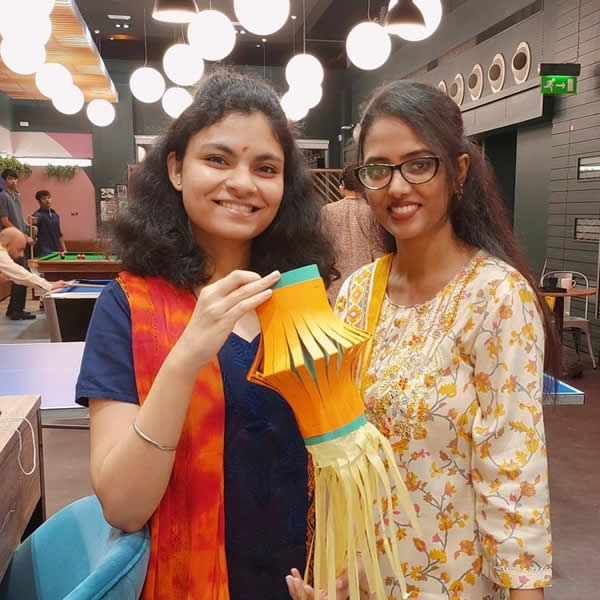
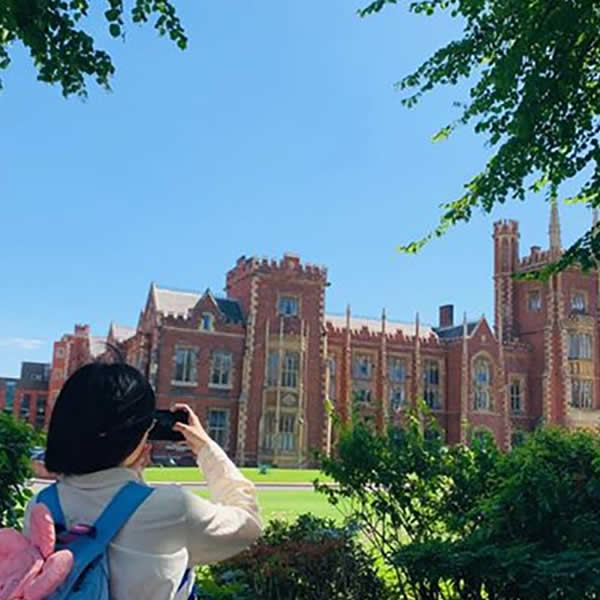
Hear what our students love about living here and tips on what to bring, what you can expect and how to make friends.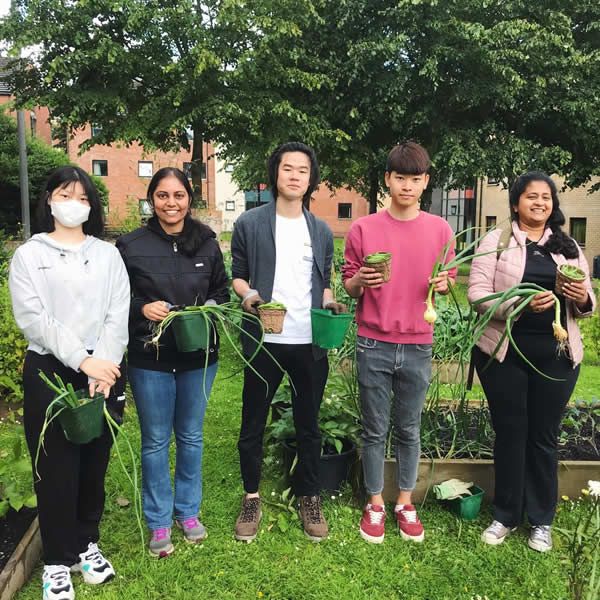




Careers
Career Prospects
Introduction
This first degree on Architecture (RIBA/ARB Part 1) leads to the postgraduate Part 2 and 3 programmes, which can be taken at our institution or elsewhere. Many of our graduates return to our Master of Architecture programme.
Our graduates can be found involved with a surprisingly wide range of activities. Many continue to work in private architectural practices ranging in size from two or three people to a staff of over 100, providing a general practice service to private and institutional clients, designing individual houses, social housing, commercial developments, civic buildings, concert halls, theatres and galleries. Many commissions are won through architectural competitions.
Although primarily intended as a first degree for those wishing to undertake postgraduate studies and become professionally qualified architects, the course offers a wide-ranging general education in design, visual appreciation and problem solving, which is valuable in its own right.
A much higher proportion of our QUB graduates progresses to being registered architects, with a certain number of our graduates diversifying and moving into related careers and roles. They may work in stage set design, town planning or housing policy, conservation of historic buildings, interiors, furniture design or specialist building physics such as acoustics. They may provide technical assistance to voluntary and community groups tackling difficult social and economic problems. Our graduates work in many different parts of the world, have their work published and receive awards.
Employment after the Course
4th for “career after six months” of 55 UK-based schools of Architecture in the 2023 Guardian League Table
Alumni Success
Queen’s Architecture Graduate and Lecturer Alan Jones elected RIBA President 2019-21.
RIBA High Commendation for Queen's Architecture Graduate.
www.architecture.com/knowledge-and-resources/knowledge-landing-page/alan-jones-elected-riba-president-2019-21 https://daro.qub.ac.uk/luca-garoli-riba-architecture
International Testimonials
Board of Architects Malaysia accreditation.
www.lam.gov.my
Professional Opportunities
RIBA Awards and Competitions
https:www.architecture.com/awards-and-competitions-landing-page
">
How to Apply
Apply using our online Queen's Portal and follow the step-by-step instructions on how to apply.
Terms and Conditions
The terms and conditions that apply when you accept an offer of a place at the University on a taught programme of study.
Queen's University Belfast Terms and Conditions.